


SEO and Website Design: How to Align Strategy for Better Rankings and User Experience
SEO and website design are essential components of a modern digital strategy. Businesses must create websites that are visually engaging while also being optimized for search engines. When planning and optimization work together from the beginning, companies build a strong foundation for visibility, usability, and conversions.
The connection between structure, content, performance, and responsiveness directly impacts online success. Organizations that strategically integrate technical optimization with design decisions are more likely to achieve sustainable organic growth and stronger engagement metrics.

Why Integration Matters
A visually appealing site that lacks optimization may struggle to rank. Likewise, a technically sound site with poor usability may fail to convert visitors. Combining strategy and structure ensures both discoverability and a seamless user journey. This is why aligning SEO and website design during development is critical.
Higher Search Rankings
Ranking factors such as site architecture, responsive layouts, optimized media, and metadata all influence search visibility. Search engines like Google Search Central provide official guidance on best practices for crawlability and indexing.
Improved User Experience
Clear navigation, readable layouts, and fast-loading pages enhance engagement. According to Google’s Core Web Vitals documentation, performance and usability metrics directly influence search performance.
Stronger Visibility
Businesses that prioritize SEO and website design together benefit from improved organic reach and greater brand exposure.
Long-Term Competitive Advantage
Addressing optimization only after launch often leads to rework and missed opportunities. Integrating SEO and website design early provides a sustainable competitive edge.
7 Ways to Strengthen Alignment
1. Encourage Cross-Team Collaboration
Developers, designers, and search specialists should collaborate early to ensure structural and performance decisions support long-term goals.
2. Prioritize Mobile Responsiveness
Responsive layouts are essential to modern ranking systems and user expectations.
3. Improve Page Speed
Fast-loading pages reduce bounce rates and enhance engagement metrics.
4. Optimize Site Architecture
A clear hierarchy and internal linking structure improve crawlability and overall efficiency.
5. Structure Content Strategically
Logical headings and organized sections make content easier to understand for both users and search engines.
6. Implement Structured Data
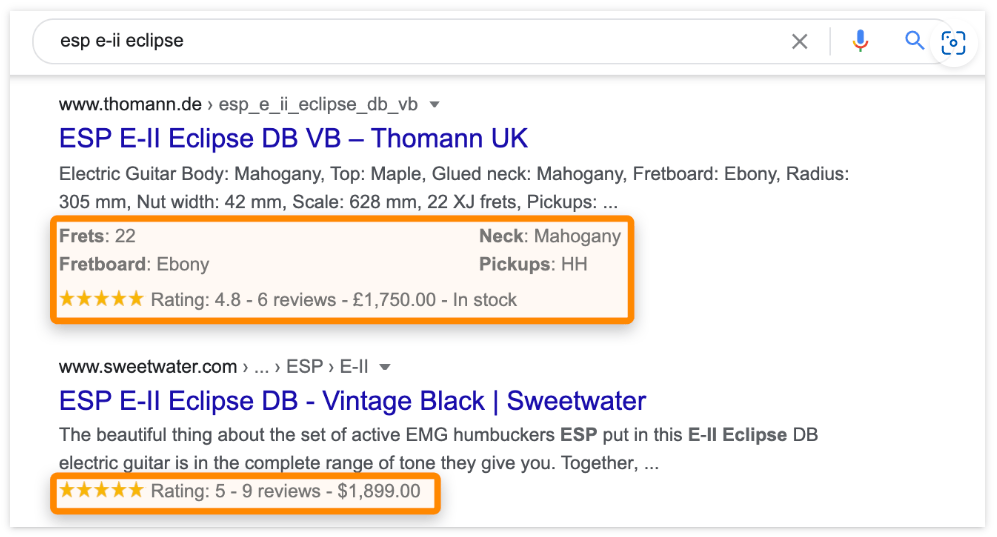
Schema markup improves how content appears in search results and enhances click-through rates.
7. Commit to Continuous Improvement
Regular audits and updates ensure strategies remain aligned with evolving algorithms and user behavior trends.
Practical Steps for Better Performance
Create a Logical Framework
A strong structural foundation ensures all optimization efforts function cohesively.
Enhance Loading Speed
Compress media files, streamline scripts, and optimize hosting environments to improve speed.
Develop High-Quality Content
Engaging and relevant content supports visibility and conversion performance.
Use Responsive Design
Adaptive layouts provide consistent experiences across devices and strengthen overall performance.

Conduct Keyword Research
Understanding search intent helps refine targeting and content planning.
Optimize Meta Elements
Compelling titles and descriptions increase click-through rates and search visibility.
Build Authoritative Backlinks
High-quality external links enhance credibility and domain authority.
Monitor Analytics Consistently
Tracking performance metrics helps maintain alignment between strategy and measurable results. Maintaining balance between optimization and design ensures long-term stability for SEO and website design.
Frequently Asked Questions
Why should optimization be considered during website development?
Integrating best practices during development improves crawlability, usability, and long-term ranking stability.
Does mobile responsiveness influence rankings?
Yes. Mobile-friendly websites are prioritized within search engine algorithms.
How does page speed impact visibility?
Faster websites reduce bounce rates and improve engagement metrics, which can positively affect rankings.
How often should a website be reviewed?
Regular audits and updates ensure continued alignment with evolving search standards.
Conclusion
SEO and website design must work together to achieve sustainable online success. When businesses consistently align SEO and website design strategies, they improve rankings, enhance user experience, and increase conversion opportunities.
Focusing on structure, responsiveness, speed, and continuous optimization allows organizations to build websites that perform strongly in search results while delivering professional and engaging digital experiences.