



SEO for Doctors: The Complete Guide to Growing Your Medical Practice Online
SEO for doctors is paramount in today’s digital landscape. Search engine optimization (SEO) is essential for doctors and medical practices aiming to enhance their online visibility. In today’s digital age, an optimized website and a robust SEO strategy tailored specifically for healthcare providers are pivotal in expanding your practice and attracting new patients.
Implementing SEO best practices allows your website and online profiles to rank higher in search engines like Google and Bing. Higher rankings increase visibility, establish credibility, and position you as an authority in your field when potential patients search for doctors in your specialty and location.
Table of Contents
- Key Takeaways for SEO Success
- The Core Goals of SEO for Doctors
- Optimize Your Website
- Create Useful Content
- Get Patient Reviews
- Claim and Optimize Listings
- Focus on Local SEO
- Choose the Right Keywords
- Create Link-Worthy Content
- Analyze Your Results
- FAQ
- Conclusion
Key Takeaways for Doing SEO for Doctors
- Optimize website speed, mobile responsiveness, site architecture, and technical SEO.
- Create relevant, patient-focused content that answers real medical questions.
- Actively gather positive reviews on Google, Facebook, Healthgrades, and similar platforms.
- Claim and optimize your practice listings across provider directories.
- Prioritize local SEO to reach patients in your immediate service area.
- Research patient search terms and target long-tail, low-competition keywords.
- Earn high-quality backlinks through authoritative, link-worthy content.
- Continuously analyze traffic, rankings, and conversions to refine your strategy.
The Goals of SEO for Doctors
- Drive more qualified traffic to your website
- Increase patient acquisitions and appointment conversions
- Establish authority and expertise in your specialty
- Reinforce patient trust and credibility
- Expand your reach into new patient demographics
This guide explores the most effective SEO strategies and techniques for doctors and medical practices looking to improve rankings and attract more patients online.
Optimize Your Website

Your website is often the first impression patients have of your practice. That’s why it’s crucial to optimize your website for both search engines and user experience.
Mobile Optimization
With most searches happening on smartphones, a mobile-friendly design is essential. Responsive layouts ensure your site adapts to all screen sizes and prevents ranking demotion.
Page Speed
Slow load times increase bounce rates and harm rankings. Compress images, reduce HTTP requests, and use optimization plugins. Aim for load times under three seconds.
User Experience
Keep navigation simple and intuitive. Make contact information, patient forms, and essential details easy to find. A clean, uncluttered design improves both engagement and SEO performance.
Create Useful Content


Content marketing allows doctors to demonstrate expertise and attract patients organically.
- Blog about health topics: Cover common conditions, treatments, and preventative care using patient-friendly language.
- Create educational videos: Share medical insights, procedure explanations, and health tips.
- Offer guides and eBooks: Develop in-depth resources addressing patient concerns such as surgery preparation or chronic condition management.
High-quality content builds trust, improves rankings, and positions your practice as a reliable medical authority.
Get Patient Reviews
Online reviews significantly influence local rankings and patient decisions. Platforms like Google, Facebook, Yelp, and Healthgrades play a vital role in your digital reputation.
How to Generate More Reviews
- Ask satisfied patients directly after appointments.
- Provide printed review cards and follow-up emails.
- Respond professionally to every review.
- Address negative feedback constructively.
- Encourage consistent review generation over time.
Proactively managing reviews strengthens both local SEO performance and patient trust.
Claim and Optimize Your Listings

Accurate business listings are foundational for local SEO success. Ensure your practice is listed on Google Business Profile, Bing Places, Yelp, Yahoo Local, and relevant medical directories.
Keep your NAP (Name, Address, Phone Number) consistent across all platforms. Add professional photos, updated hours, service details, and encourage reviews to improve visibility in local map results.
Focus on Local SEO
- Display your NAP clearly on your website.
- Include your city and state in headings and page titles.
- Create and optimize your Google Business Profile.
- Develop locally focused content targeting geographic keywords.
- Earn local backlinks from directories and community organizations.
- Ensure mobile performance for local search users.
Choose the Right Keywords
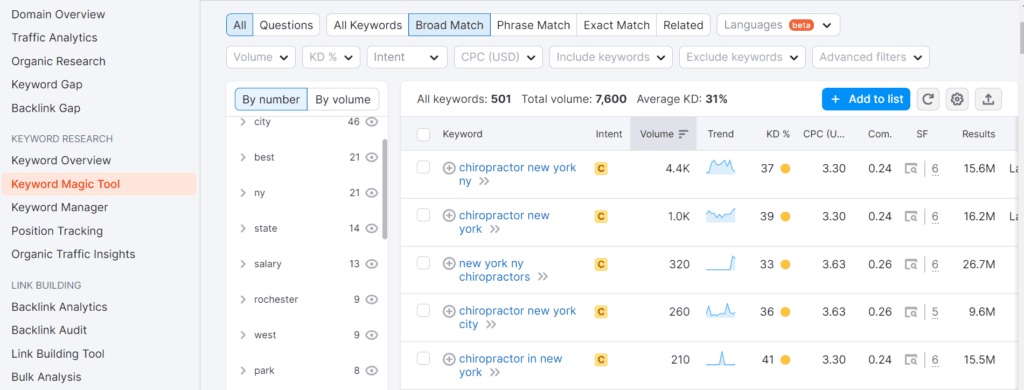
Keyword research helps you target what patients are actually searching for rather than relying on medical jargon.
- Analyze website analytics for existing search terms.
- Use Google Keyword Planner and tools like SEMrush.
- Review competitor websites for keyword insights.
- Check Google autocomplete suggestions.
- Evaluate keyword difficulty before targeting.
Focus on 3–5 primary keyword phrases aligned with high-intent patient searches to drive qualified traffic.
Create Link-Worthy Content
Backlinks remain a major ranking factor. Publish original, in-depth content offering medical insights, research summaries, and practical health advice.
Long-form, well-researched articles (2,000+ words) tend to attract more shares and links. Promote your content through outreach, guest posting, and social media to expand visibility and link acquisition opportunities.
Analyze Your Results
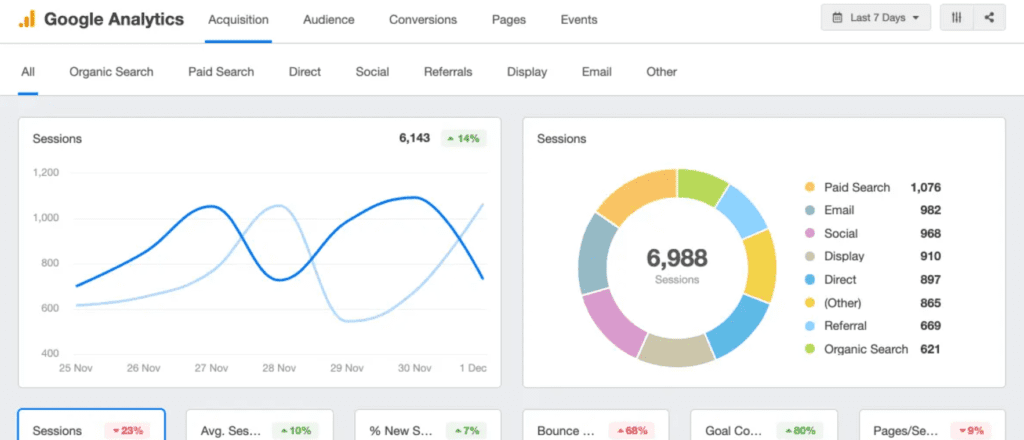
SEO is an ongoing process. Use Google Analytics to track traffic growth, keyword performance, landing pages, and conversion rates.
Identify which keywords generate appointments, test improvements to metadata and content, and continuously refine your strategy based on measurable data.
Frequently Asked Questions
How long does SEO take for doctors to show results?
SEO typically takes 3–6 months to produce measurable improvements in rankings and traffic, depending on competition and market saturation.
Why is local SEO important for medical practices?
Most patients search for providers near their location. Local SEO ensures your practice appears in map packs and localized search queries.
What type of content works best for doctor websites?
Educational blog posts, treatment explanations, preventative care guides, and patient FAQs perform best because they align with real search intent.
How do online reviews affect search rankings?
Positive reviews increase trust signals, improve click-through rates, and strengthen local search visibility.
Conclusion
SEO for doctors is a long-term investment that requires consistency and strategic execution. By optimizing your website, producing valuable content, generating patient reviews, maintaining accurate listings, targeting local search, selecting the right keywords, building authoritative backlinks, and analyzing performance data, your practice can steadily improve its online visibility.
When implemented correctly, SEO becomes one of the most cost-effective marketing channels available—helping your medical practice attract more patients, build authority, and grow sustainably over time.